Homeowners in Atlanta build retaining walls for two reasons: to control grade and water, and to create usable space that looks good year-round. Costs vary more than most expect, because soil, slope, drainage, and materials all push the price up or down. This guide explains real Atlanta pricing, what drives it, and how to choose reliable retaining wall contractors Atlanta homeowners recommend.
Typical Cost Ranges in Atlanta, GA
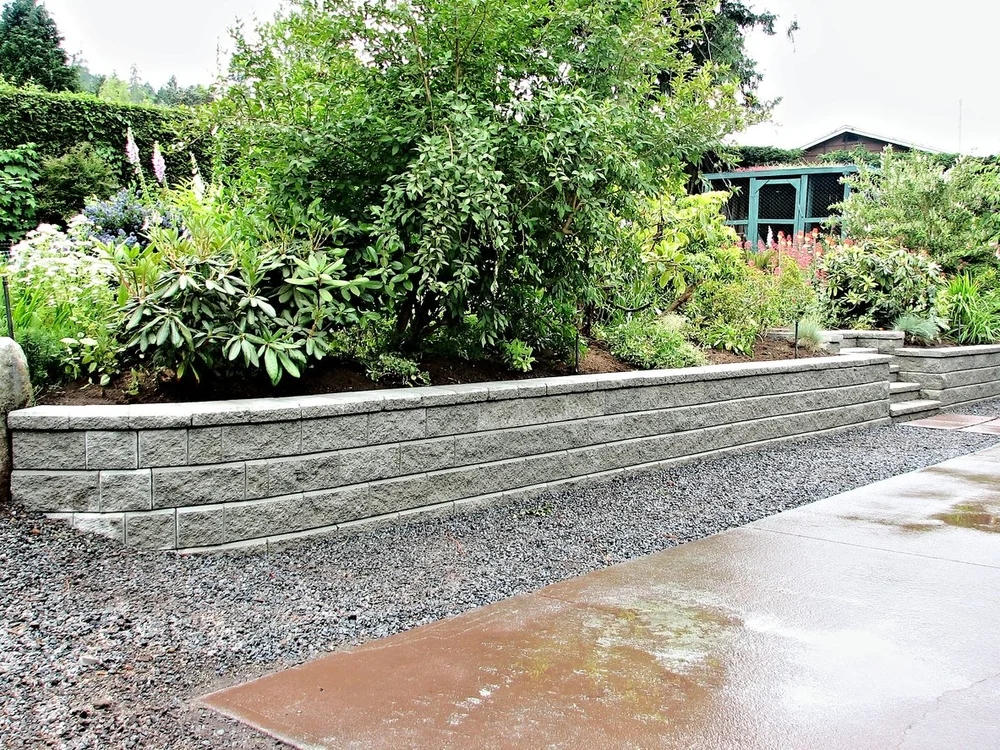
For most residential projects around Atlanta, expect a wide range: $35 to $85 per square face foot for standard walls under five feet. That translates to roughly $3,500 to $8,500 for a 50-foot-long, 3-foot-high wall using common block and proper drainage. Taller walls, tight access sites, and upgrades push the range to $90 to $160 per face foot. High-end stone or structural walls can exceed $200 per face foot.
Per-linear-foot estimates are less accurate because height matters. Here are examples seen across neighborhoods:
- A 30-foot wall at 2.5 feet high in Decatur with good access and basic block often falls between $3,000 and $5,000. A 60-foot wall at 4 feet high in Sandy Springs with clay excavation and a French drain can range from $10,000 to $18,000. A 70-foot terraced system totaling 6 vertical feet in Buckhead with stone veneer, stairs, and lighting can reach $28,000 to $45,000.
These examples assume proper base prep, geogrid where needed, and drainage to daylight. Skipping those saves up front but shortens the life of the wall.
What Drives Price in Metro Atlanta
Soils and slope shape pricing. Much of Atlanta has dense red clay. Clay swells when wet and puts lateral pressure on a wall. That pressure dictates thicker base, more geogrid, and better drainage. On steep lots in Virginia-Highland, Morningside, and parts of East Atlanta, access limits equipment size, which raises labor hours. Infill neighborhoods with narrow side yards often require wheelbarrow or mini skid work and hand stacking.
Material choice matters. Standard concrete retaining wall blocks are often the best value for strength and speed. Timber walls cost less up front but have a shorter lifespan in Georgia’s humid climate. Natural stone looks great but requires more handwork and sometimes a concrete footing. Poured-in-place concrete or CMU with veneer can handle serious loads but need a structural plan and rebar, which raises cost.
Drainage is non-negotiable. A perforated pipe behind the wall, free-draining gravel, and a filter fabric are baseline. If the wall sits below a hill that channels runoff, expect additional drains, larger outlets, or surface swales. Because downpours are common from May through September, drainage is the difference between a wall that lasts 25 years and one that leans after its first storm.
Height and engineering shape the budget. In most local jurisdictions, walls over 4 feet measured from the bottom of the base usually need an engineer’s stamp and a permit. Once geogrid layers and setbacks enter the plan, material volume and labor both rise. Tiered walls can help avoid single-height walls over 4 feet, but terracing needs more space and more face footage, which changes the math.
Access and site work add surprise costs. Tree roots, buried debris, and old timber walls demand careful demo and disposal. Tight access can require a smaller excavator and more time. If the wall ties into steps, patios, or fences, those connections add detail work that affects the bid.
Comparing Materials: What Works Best Here
Timber: Lowest initial cost, often $25 to $45 per face foot for short walls. Lifespan is 10 to 15 years in Atlanta’s moisture. Good for budget fixes or landscape edging, less ideal for structural grade changes.
Segmental retaining wall block (SRW): The Atlanta standard for value and longevity. Typical installed cost runs $35 to $85 per face foot for residential projects under five feet. Brands vary in texture and color. Dry-stacked with geogrid where needed, they drain well and move slightly without cracking.
Natural stone: Strong visual appeal. Fieldstone or stacked granite can run $80 to $160 per face foot depending on stone type and thickness. Best for front yards and high-visibility areas. Requires a skilled crew for consistent batter and interlock.
Poured concrete or CMU with veneer: Clean lines and high strength with a stone or brick face. Often $100 to $200+ per face foot, especially once footings, rebar, and engineering are included. Good near driveways or where loads are high.
The Hidden Work That Protects Your Investment
Most failures come from what no one sees. A proper base is compacted crushed stone, usually 6 to 10 inches deep depending on soil. The first course must be dead level through the full run. Behind the wall, crews place clean angular gravel for drainage, install filter fabric to separate clay from stone, and set a perforated drain pipe to daylight with positive slope. Geogrid layers are placed at specified heights and lengths based on wall height and soil pressure. Capstones are glued for a finished look and to resist uplift.
In older Atlanta neighborhoods, storm patterns funnel water from roofs and hills onto walls. Surface drains, swales, or a small catch basin may be needed. Skipping these details saves a few thousand now and risks a rebuild later.
Permits and Guidelines in Atlanta
Municipalities within metro Atlanta follow similar rules, with local differences. Walls over 4 feet often require an engineer’s design and a permit. Walls near property lines, public rights-of-way, or within stream buffers face extra review. If a wall supports a driveway, parking pad, or deck, expect stricter structural requirements. A reputable contractor will flag these early. Homeowners who get two or three quotes often see wide price gaps when one bid ignores permits and engineering. That is a red flag.
How to Read a Bid the Right Way
Two bids might look similar but include very different scopes. The clearest proposals in Atlanta usually list base depth, gravel type, drain pipe size, geogrid brand and spacing, wall height at multiple points, cap style, access plan, demo and haul-off, and restoration of disturbed areas. Photos or a simple sketch help align expectations. If a price feels low, it often omits critical drainage or grid. Paying for an engineer’s letter when required protects resale and avoids stop-work orders.
Timeline and Seasonality
Most residential walls take two to seven working days, depending on length, height, and access. Spring and early summer fill quickly. Hurricane-season storms can slow production for safety and retaining wall contractors Atlanta GA soil conditions. Winter is workable in Atlanta, but heavy rain still affects excavation. Booking a site visit two to six weeks before the desired start date usually locks in the schedule.
Signs You Need a Retaining Wall Now
Look for soil sloughing after rain, fence posts leaning downhill, washouts under patios, or mulch lines migrating every storm. In some Brookhaven and Kirkwood yards, a small wall at a tight drainage pinch point prevents costly erosion. Addressing problems early keeps heights low, which avoids permits and keeps costs down.
Choosing Retaining Wall Contractors Atlanta Homeowners Trust
Experience with local soil and storm patterns matters more than a flashy gallery. Ask where they have built nearby, how those walls drain, and which manufacturer’s specs they follow. A good contractor welcomes questions about grid lengths, base thickness, and pipe outlets. They should talk through options that match the site, not push a single heidecontracting.com retaining wall company near me material.
Here is a short checklist to use during estimates:

- Ask for a line-item scope with base, drainage, and geogrid details. Confirm whether engineering and permits are needed and who handles them. Request recent local addresses to see completed walls in person. Verify access plan, haul-off, and yard protection measures. Get the warranty in writing, including workmanship and manufacturer coverage.
Realistic Budget Planning
Set a contingency of 10 to 20 percent for rock, roots, or extra drainage. If the budget is tight, reduce height through subtle grading, shorten the run, or choose a clean SRW block over stone veneer. If curb appeal drives the project, invest in a high-visibility face or cap while keeping the structure to proven specs. Lighting and steps add value but plan them up front, not after the wall is built.
Why Homeowners Call Heide Contracting
Heide Contracting builds walls across Atlanta’s varied terrain, from small terrace walls in Grant Park to engineered systems in hilly parts of Smyrna and Sandy Springs. The team starts with a site-specific plan: soil, slope, water paths, and access. Bids are clear, with the drainage and geogrid plan spelled out. Photos, addresses, and references are offered without a chase. Homeowners who compare find fewer change orders because the hidden work is priced in from day one.
For retaining wall contractors Atlanta residents can rely on, the process should feel straightforward. A short site visit, a clear design, and a start date that sticks. That’s how walls last through Atlanta storms and still look good in year ten.

Ready to price your project? Share a few photos, the approximate length and height, and the neighborhood. Heide Contracting will provide a precise estimate range and a plan that fits your site and budget, then schedule a visit to finalize numbers.
Heide Contracting provides construction and renovation services focused on structure, space, and durability. The company handles full-home renovations, wall removal projects, and basement or crawlspace conversions that expand living areas safely. Structural work includes foundation wall repair, masonry restoration, and porch or deck reinforcement. Each project balances design and engineering to create stronger, more functional spaces. Heide Contracting delivers dependable work backed by detailed planning and clear communication from start to finish.
Heide Contracting
Phone: (470) 469-5627
Website: https://www.heidecontracting.com, Google Site
Social Media: Instagram, Facebook, LinkedIn
Map: View on Google Maps